Source Educational Science Plant Kit for Labs, Schools, and Homes
Compare 30 educational science plant kit options from verified Chinese suppliers. Buyers can evaluate specifications, certifications, and pricing for DIY assembly kits suitable for developing intelligence and plant growing activities; compare the available evidence and request quotations based on your requirements.
Key considerations
Products List
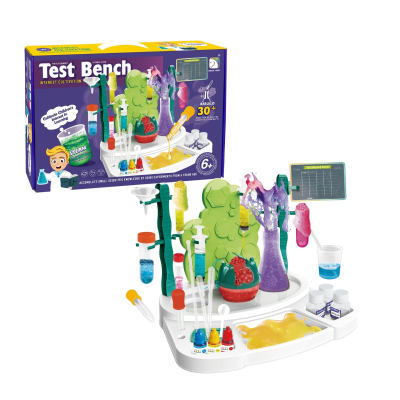

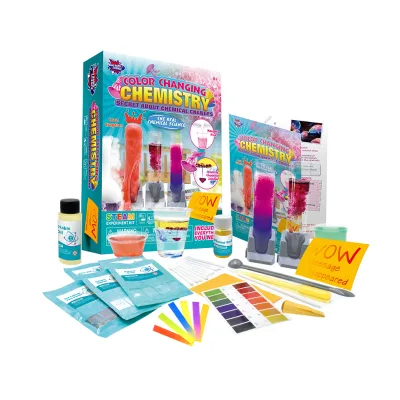
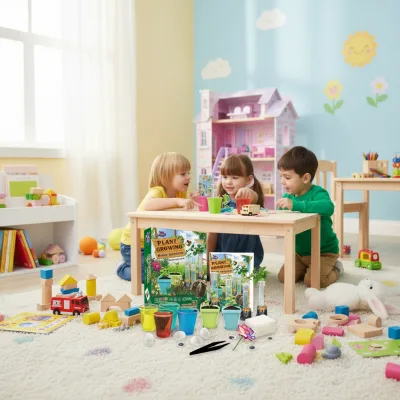
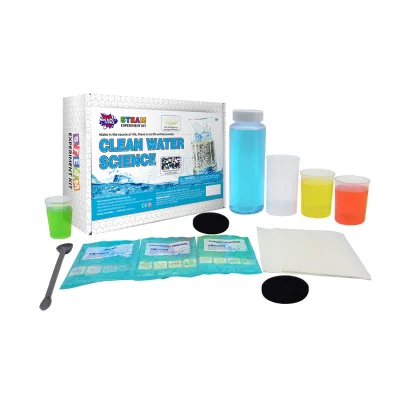
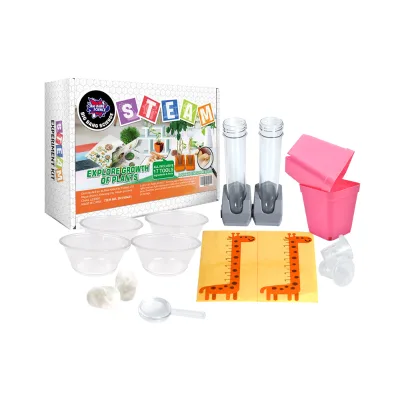
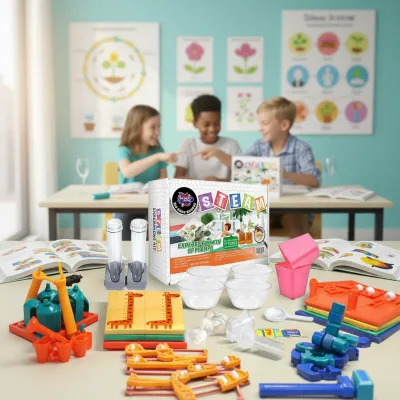
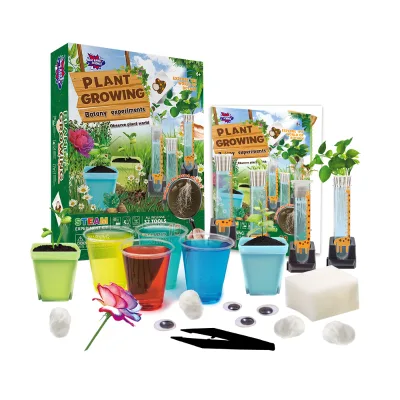
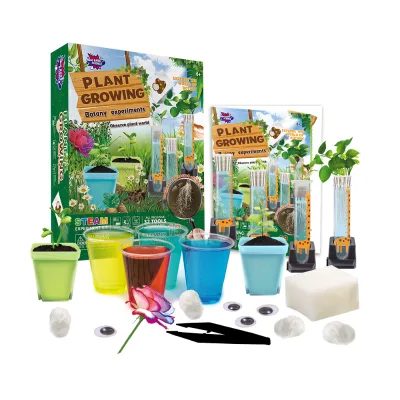
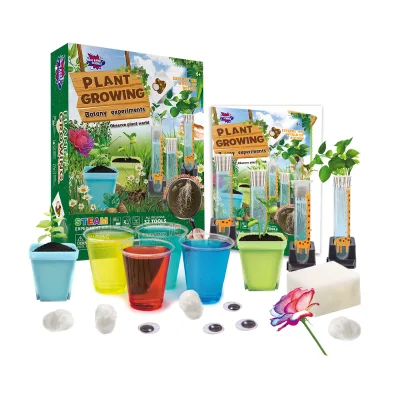
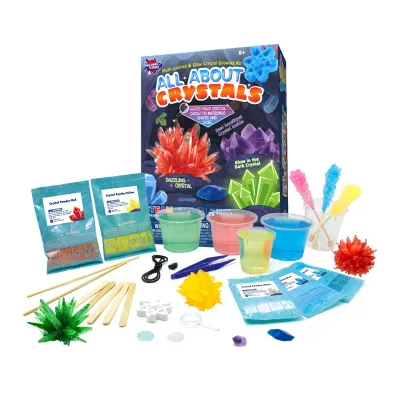
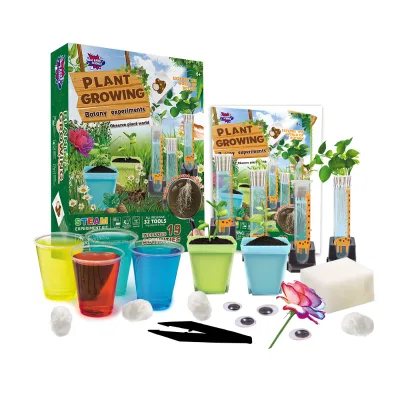


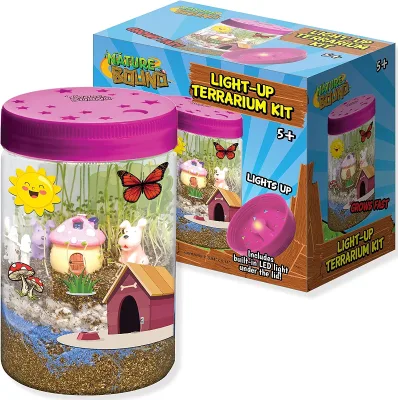
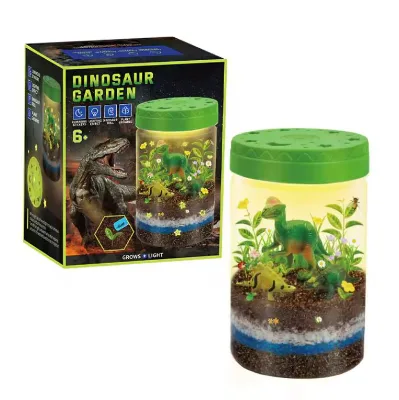
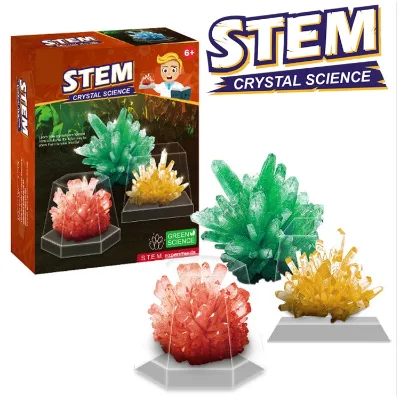
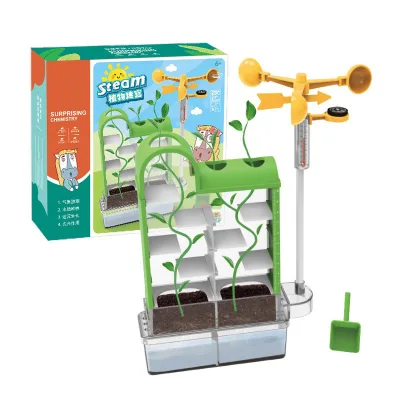
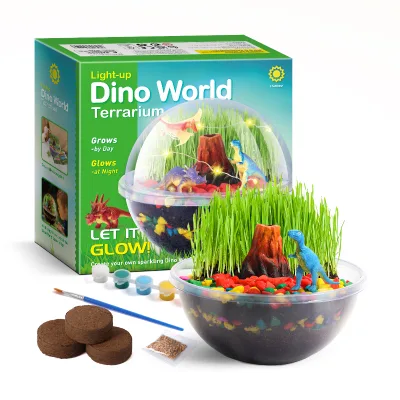
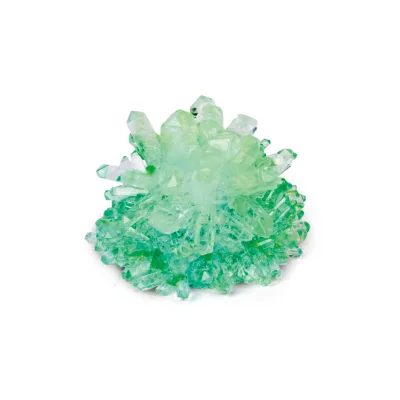
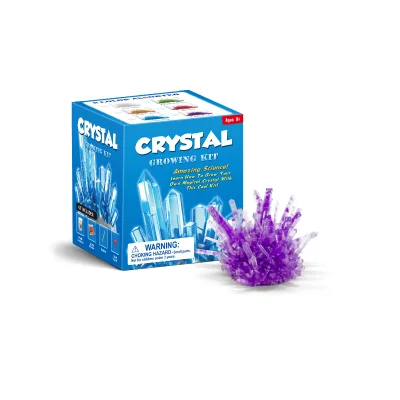


Comprehensive Sourcing Guide
Educational Science Plant Kit Sourcing Guide
Procurement professionals seeking educational science plant kits must first distinguish between general science experimentation sets and specialized botanical growth modules. The market offers distinct product categories, ranging from general intelligence-developing kits to specific plant-growing systems that require no external power sources. Buyers should verify that the product function explicitly matches the intended curriculum, as some listings describe broad "scientific toys" while others specify "plant growing kits" with unique material requirements.
When evaluating listings, it is critical to observe the specific age ranges and functional claims provided by suppliers. Data indicates that some kits target younger demographics around three years old, while others are designed for children aged eight to thirteen years. This distinction dictates the complexity of the assembly and the safety protocols required. Buyers must ensure the selected kit aligns with the developmental stage of the end-user to guarantee both educational value and operational safety during the learning process.
Product Scope and Observed Listing Signals
The observed product landscape includes diverse configurations, from wooden construction sets to non-toxic material kits designed for self-assembly. Suppliers often list specific model numbers such as CPS183048 or SR20407 to differentiate between general educational toys and specialized botanical growth systems. Buyers should scrutinize the product name and keyword tags to confirm whether the item is a DIY electronics kit or a dedicated plant growth module, as these functions require different supply chain considerations.
Packaging and physical dimensions serve as key signals for logistics planning and shelf-space allocation. Listings reveal significant variance in single package sizes, ranging from compact 25x30x8 cm units to larger 60x40x15 cm boxes. Additionally, gross weights fluctuate between 0.3 kg and 5.0 kg per unit, directly impacting freight costs and handling requirements. Procurement teams must calculate these physical attributes early to determine the optimal shipping method and ensure the packaging meets the "colour box" or "standard export carton" expectations of the target market.
Technical Specifications to Verify
Technical due diligence requires a rigorous check of material composition and power requirements to ensure product safety and functionality. While some educational kits utilize wooden components, others are explicitly constructed from non-toxic materials suitable for younger children. Buyers must confirm that the material specifications align with the intended age group and that the product does not require batteries, as many plant growth kits operate without external power sources, simplifying the user experience and reducing maintenance costs.
Dimensional accuracy and model consistency are essential for inventory management and customer satisfaction. Suppliers may list multiple model numbers, such as SR16101 or FBTY01, each with distinct dimensions and package contents. It is imperative to verify that the listed single package size and gross weight match the actual product specifications to avoid discrepancies during customs clearance. Buyers should also confirm whether the product includes specific customization options or if it is sold as a standard single item to prevent fulfillment errors.
Compliance and Safety Documentation
Safety compliance is a non-negotiable aspect of sourcing educational science kits, particularly those intended for children. The market data highlights certifications such as CE, EN71, and ASTM, which are critical for accessing major markets like the USA and Europe. Procurement teams must request valid test reports for these specific standards to verify that the products meet international safety requirements for toys and educational materials. Relying on generic claims without documented proof can lead to regulatory penalties and product recalls.
Environmental and chemical safety standards further define the quality and marketability of these educational tools. Some suppliers adhere to ROHS standards, ensuring that the materials used are free from hazardous substances. Buyers should verify that the "non-toxic" claims are backed by laboratory testing results and that the product packaging meets the necessary export standards. Ensuring that the supplier can provide comprehensive documentation for all listed certifications is vital for maintaining brand reputation and ensuring the safety of the end-users.
Cost Drivers and Commercial Terms
Commercial terms for educational science kits vary significantly based on order volume and customization requirements. Minimum Order Quantities (MOQ) observed in the market range from as low as 3 cartons to as high as 2000 sets, depending on the supplier and product complexity. Buyers must negotiate these thresholds carefully, as higher volumes often unlock better unit pricing but require larger capital outlays and storage capacity. Understanding the specific MOQ for each model number is essential for effective budget planning.
Lead times and sample availability are critical factors in supply chain planning and product launch schedules. Suppliers typically indicate sample times ranging from 7 to 15 days, with delivery times extending from 15 to 45 days after order confirmation. These timelines can fluctuate based on the origin of the goods, with some products shipping from Guangdong or Ningbo, while others originate from Henan. Procurement teams should account for these variables when setting launch dates and ensure that the supplier can meet the required delivery windows without compromising quality.
Supplier Qualification and Quality Control
Supplier qualification involves verifying the origin of goods and the capacity for OEM or ODM services. Many suppliers welcome customization requests, allowing buyers to tailor products to specific branding or educational needs. However, it is crucial to confirm that the supplier has a proven track record in the specific region of origin, such as Guangdong, Ningbo, or Henan, to ensure consistent manufacturing quality. Buyers should assess the supplier's ability to handle large orders while maintaining the integrity of the product design and safety standards.
Quality control processes must be established to monitor the consistency of materials and assembly. Given the variance in product types, from wooden kits to non-toxic plant growth systems, a robust inspection protocol is necessary. Buyers should implement pre-shipment inspections to verify that the single package size, gross weight, and material composition match the agreed specifications. Additionally, checking the "Standard Export Carton" packaging ensures that products arrive in good condition, minimizing damage and returns during transit to the main markets.
Long-Term Procurement Checks
Sustaining a successful procurement relationship requires ongoing monitoring of supplier performance and market adaptability. Buyers should regularly review the supplier's ability to maintain certification status and adhere to changing safety standards in target markets like the USA, Europe, and Asia. Continuous communication regarding updates in product specifications or material sourcing helps prevent disruptions and ensures that the educational kits remain compliant with evolving regulatory landscapes.
Strategic planning for future orders involves analyzing sales data and customer feedback to refine product selection. As the market for scientific toys and plant growth kits evolves, buyers must stay informed about new model numbers and emerging trends in educational technology. Establishing a clear feedback loop with suppliers allows for the adjustment of order quantities and customization levels to meet changing demand. This proactive approach ensures a steady supply of high-quality educational tools that continue to engage students and support learning objectives effectively.
FAQs
What certifications do these educational science kits have?
The kits carry CE, EN71, and ASTM certifications to ensure safety for children. These standards verify that the materials and construction meet international safety requirements for toys. Buyers can rely on these documented certifications when selecting products for export to regulated markets like the USA or Europe.
How can I customize the packaging for my order?
Customization is available for packaging and branding on these educational science kits. The supplier accepts OEM and ODM requests to tailor the product to your specific needs. You can discuss details regarding color boxes or standard export cartons directly with the manufacturer to align with your brand identity.
What is the minimum order quantity for these kits?
The minimum order quantity varies by product, starting from 3 cartons for some items and 50 sets for others. Specific models like the CPS183048 require 3 cartons, while the SR16101 requires 50 sets. Buyers should verify the exact MOQ for their chosen model before placing an order.
Which materials are used to make these science toys?
These kits are constructed from wood and non-toxic materials to ensure safety during play. The wooden components provide durability while the non-toxic finish protects children. This combination supports the educational function of developing intelligence through safe, hands-on experimentation and assembly activities.
Can I get samples before placing a bulk order?
Samples are available with a lead time of 7 to 15 days depending on the specific product model. This allows buyers to verify quality and functionality before committing to a larger purchase. The sample process ensures that the educational value and build quality meet your expectations for the final bulk order.
What is the typical delivery time for these kits?
The delivery time ranges from 15 to 45 days after the order is confirmed. This timeline accounts for production and shipping logistics from the manufacturing locations in China. Buyers should plan their inventory accordingly to ensure timely arrival at their destination markets.
Which age groups are suitable for these educational kits?
The kits are designed for various age ranges, including children as young as 3 years and those aged 8 to 13 years. Different models target specific developmental stages, ensuring the complexity matches the child's abilities. This makes them suitable for unisex use across a broad spectrum of early education needs.